
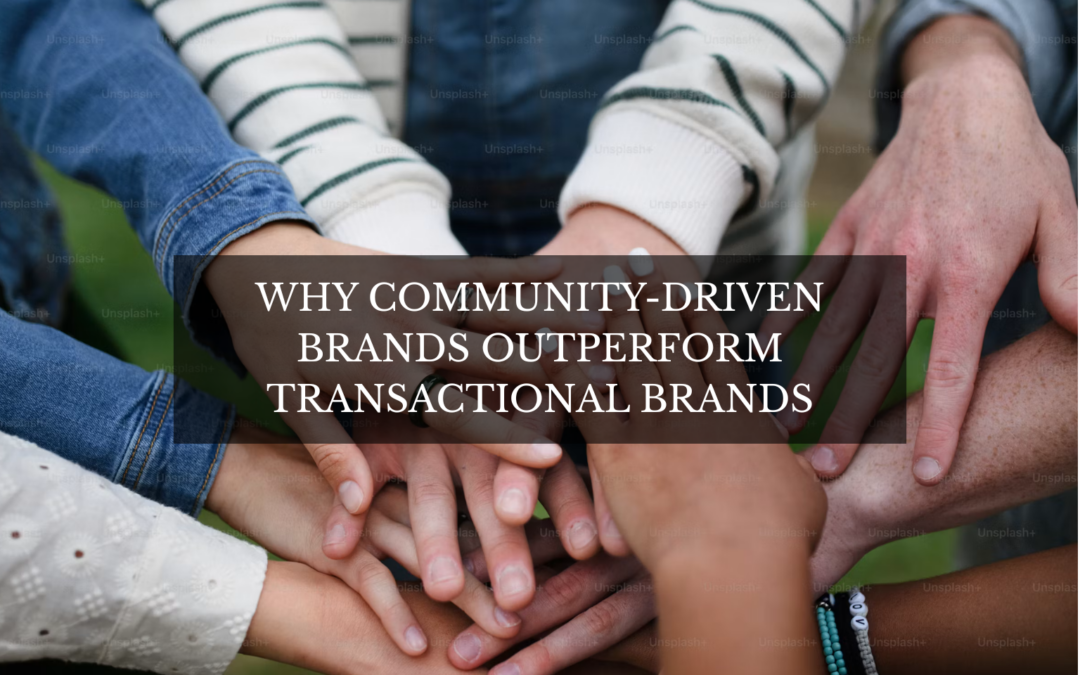
For years, traditional marketing focused on optimizing the transaction, making the checkout process as fast and frequent as possible. But in 2026, consumers expect something totally different. They don’t just want to buy from a business; they want to belong to a community.
Haute in Texas Agency
This shift has sparked the rise of community-driven brands, a strategy focused on creating shared spaces and real connection rather than just one way transactions. Through dedicated digital hubs, exclusive local experiences, active forums, and collaborative feedback loops, brands are moving past simply selling to people and are instead building spaces for them.
As we’ve explored across our recent Haute in Texas Blog posts, having a great product or service is no longer enough on its own. The brands that actively foster community and create a true sense of belonging are the ones earning deeper trust, stronger loyalty, and greater long term relevance.
Consumers Expect Brands to Feel Like a Home, Not Just a Store
The old school sales funnel relied heavily on transactional broadcasting. A business pushed a product out, and a customer bought it. Today, people want a relationship, not a sales pitch.
Haute in Texas Agency
According to recent consumer behavior trends highlighted by Salesforce research, a vast majority of buyers expect companies to understand their unique values and create spaces where they can connect with like minded individuals. People are looking for experiences that feel relational and values aligned rather than generic and clinical.
This is exactly why growing businesses are investing so heavily in:
- User generated content hubs that highlight real people
- Private community channels via platforms like Geneva
- Co creation and direct product feedback loops
- Exclusive member events, pop ups, and local meetups
- Shared-values advocacy and local impact
- Peer to peer connection spaces
At the end of the day, consumers reward businesses that make them feel like part of an inner circle rather than just another number on an invoice.
Shared Belonging Creates Unshakable Trust
Trust has become one of the most valuable assets a business can build. Consumers are more skeptical than ever of polished corporate messaging, and traditional advertising alone often falls flat when it comes to building real credibility.
True trust isn’t built overnight through a flashy ad campaign; it’s built through peer validation and consistent, transparent support over time.
This is why modern brands are prioritizing interactive member forums, collaborative loyalty programs, and community led events. These touchpoints create opportunities for mutual support instead of one sided selling.
For female founders and scaling businesses, utilizing a community-driven model changes the game. It allows you to build deep, lasting relationships without needing a massive corporate advertising budget. Customers are far more likely to stay loyal and become vocal brand advocates when they feel like they are contributing to a shared mission.
Small, genuine moments of interaction among community members often create a much bigger impact than large, impersonal marketing campaigns.
Communities Matter More Than Audiences
In the past, success was often measured purely by follower counts or the size of an email list. In 2026, real engagement, active retention, and organic word of mouth advocacy matter infinitely more than audience size.
People want brands that actually listen, respond, and create spaces where individuals feel connected to one another.
This shift is precisely why community-driven businesses consistently outperform brands that are focused solely on transactional visibility metrics.
Fly Dance Fitness is a fantastic example of this in action. Rather than positioning itself around standard, intimidating fitness culture or just pushing class bookings, the brand built an entire experience centered around connection, inclusivity, and pure joy. Members don’t just show up to work out; they become an active part of a tight-knit support system. That emotional connection has fueled rapid growth across multiple states and a massive national presence.
Consumers are actively choosing brands that create a sense of belonging over those that just offer a standard product or service.
AI Is Accelerating the Community Economy
Artificial intelligence is completely changing the way businesses interact with their networks. AI powered moderation tools, automated event scheduling, smart sentiment analysis, and personalized onboarding tracks are making the backend of community management faster and smoother than ever.
However, technology itself isn’t what makes a community thrive.
The brands seeing the greatest success are using AI to remove the administrative friction of managing a group so they can spend more time focusing on real human connection.
People still crave authenticity. We want real expertise, empathy, and experiences that feel personal. AI can help a business scale its community infrastructure efficiently, but consumers still want to know there are real people and genuine relationships at the heart of the business.
The brands that combine smart backend technology with authentic, human led connection are the ones positioned to win the highest loyalty in the years ahead.
Brand Loyalty Is Becoming a Collective Experience
Marketing used to be about grabbing a customer’s attention for a single, isolated purchase. Today, it’s about sustaining a lifetime relationship within an active network.
Customers are no longer passive buyers sitting on the sidelines. They are active participants. They talk to each other, share styling or lifestyle tips, host their own informal meetups, and co-create the very future of the brands they love.
This means brand loyalty has evolved into a collective experience rather than an individual transaction.
Businesses that encourage member to member interaction end up building immense brand authority because they are establishing trust through repeated, shared engagement. This is also why brand ambassador programs, user forums, and collaborative product designs are becoming so essential. If you want to dive deeper into how to structure these interactive touchpoints for your own business, check out our guide on strategic brand development and visibility over on the Haute in Texas Services page.
The Brands That Matter Are the Ones That Bring People Together
The rise of community-driven brands reflects a much larger cultural shift happening across every industry. Consumers want businesses that feel accessible, responsive, and deeply human.
The companies that stand out in 2026 won’t simply be those with the lowest prices or the loudest advertising budgets. They will be the brands that consistently bring people together, foster true belonging, and turn simple transactions into lasting trust.
Because in this new era of marketing, the community will outperform a basic transaction every single time.

